In 2011, Dr Margaret Douglas asked, “Are cars the new tobacco?” Fifteen years on, the parallels between a cultural overreliance on cars and cigarette habits are harder to ignore. Vaping is sold as a safer alternative to cigarettes, just as electric vehicles are marketed as the future of cleaner cars. Yet, as Transform’s Emilia Lauder shows, by continuing to place the onus on car dependence rather than improving and expanding public transport services, we are investing in the wrong alternatives.
Scotland has increasingly treated electric vehicles (EVs) as the solution to transport emissions, when the real challenge is changing the social and political systems that make car dependence seem necessary. If Scotland is serious about reducing transport emissions, replacing petrol cars with electric ones will not be enough; we must also challenge the cultural attitude that makes driving feel unavoidable.
Smoking: a freedom or a cost?
In the mid-twentieth century, smoking was seen as a symbol of freedom and social acceptance, before mounting evidence of harm and government-issued warnings caused a rise in costs, tighter age restrictions, and extensive campaigning. Over time, smoking lost its cultural status and became recognised not as a personal freedom but as a public health issue.
Car dependency occupies a remarkably similar position today. Driving remains associated with independence and convenience, despite decades of evidence linking excessive driving to poor health, environmental damage and unsafe streets. Yet, unlike smoking, policy has largely focused on accommodating cleaner cars rather than reducing reliance.
Public health and transport research consistently shows that cars cause preventable injury, death, illness, and environmental damage. Our demonstrates how a lack of road space from cars puts cyclists, pedestrians and children at risk. Air pollution from oversized cars contributes to respiratory illness, heart disease and shortened life expectancy, particularly in deprived areas.
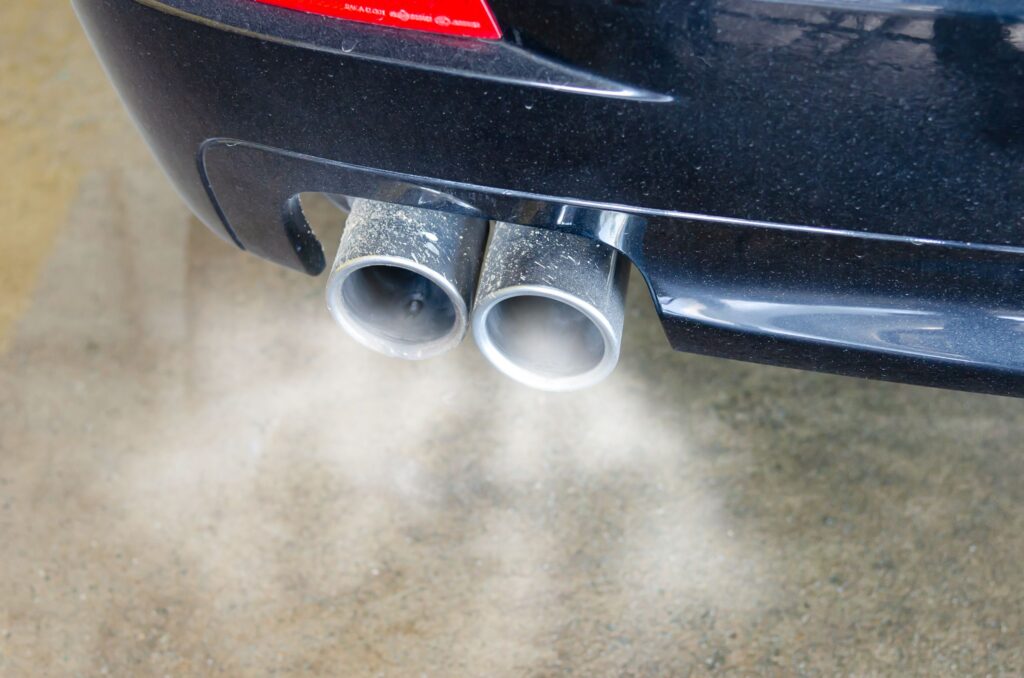
Cars make it harder for pedestrains and cyclists to use roads
Why young adults inherit car dependence
Young people are politically, environmentally and interpersonally attuned to sustainability. However, the environmental risks of driving come at the cost of their future. Climate anxiety, risks to health, the impact of road-building and various transport alternatives are redefining what freedom looks like for the future of Scotland’s young adults.
When they are simultaneously left to navigate the never-ending pressures of a gas-guzzling, car-dependent culture, how can their trust be placed in sustainable transport alternatives that are underfunded and pushed aside when bigger cars take up all available space?
Why EVs are not enough
EVs are among the most rapidly forming solutions to the environmental harms of driving, redirecting drivers’ attitudes toward a cleaner alternative. Much like vaping was promoted as a safer alternative to smoking, EVs promise reduced emissions without asking people to reconsider their reliance on private vehicles.
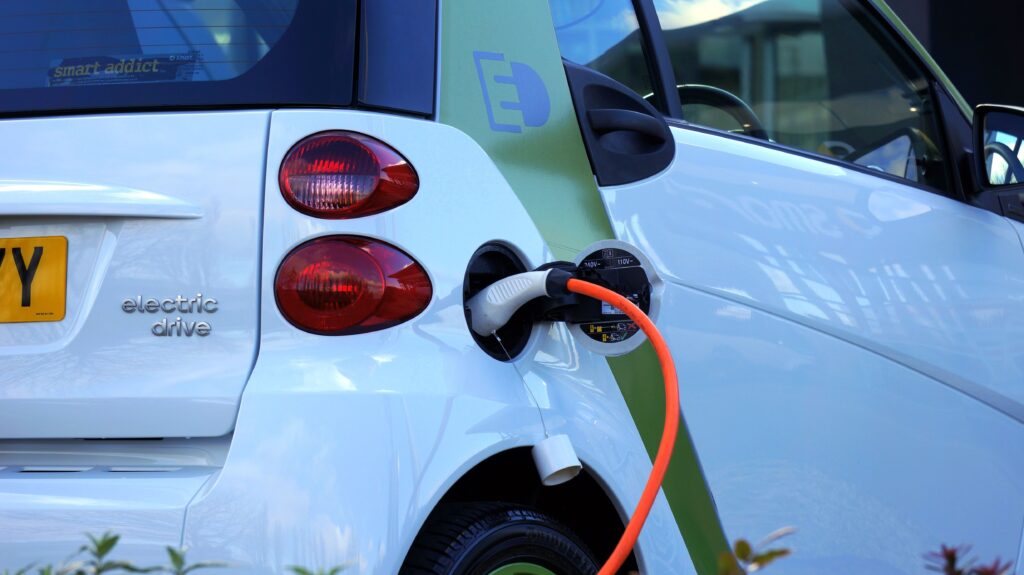
Cars take up too much space on roads and pavements, posing challenges for parking, walking and cycling safely
However, EVs are not a solution to the wider implications of car dependence, nor to the harms of energy-intensive processing of raw materials and fossil fuels. As with vaping, we still do not know the full range of risks to health and well-being, showing that substitution alone is not a solution, as neither EVs nor vapes challenge the systems that created the problem. Although EVs make up a small percentage (4.9%) of the total cars on Scottish roads, the demand for more is increasing rapidly.
If the aim is healthier communities, improved physical and individual health, safer roads, fairer access to transport and lower emissions, we must hold the government and politicians responsible for enacting this change by prioritising reliable and fair access to public transport and destabilising Scotland’s car bloat.
Politicians must treat the surge of car dependence with the same seriousness that drove smoking restrictions twenty years ago.
Sustainable choices: Our impact
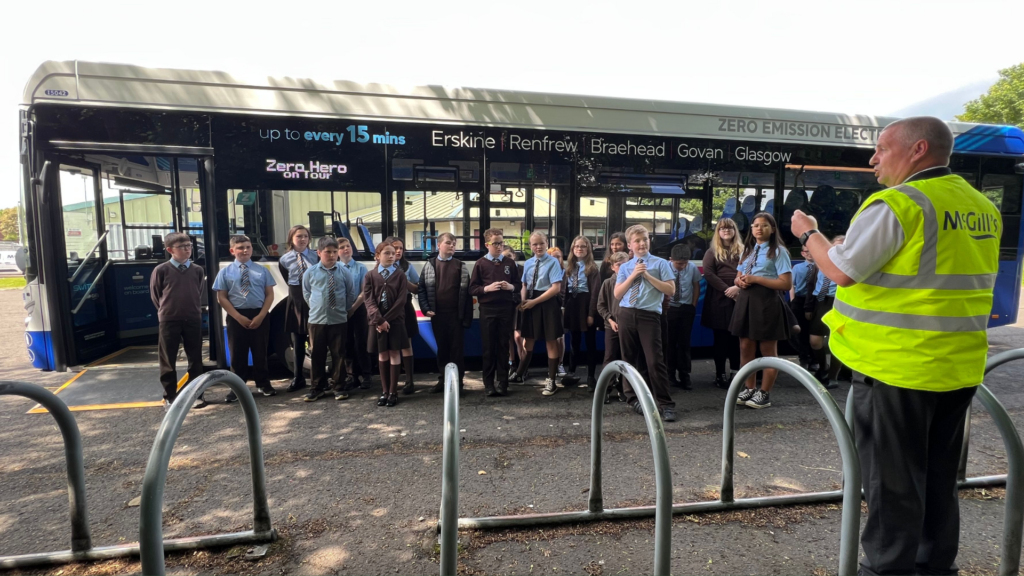
Children taking part in one of Transform’s LoveMyBus school events
Campaigns like LoveMyBus are essential to driving a message for lasting change over short-term gain. Changing behaviours and supporting this shift for children and young people across Scotland makes shared, accessible and sustainable travel the obvious choice. By promoting the value of buses and tackling the barriers people and young adults face in using them, our campaign supports a transport system that works for people, communities and the climate.
Lovemybus is part of that shift at an early intervention stage. Visiting schools and speaking with local authorities is helping to shape a future in which choosing public transport is a confident step forward rather than a compromise.
Prioritising people over cars
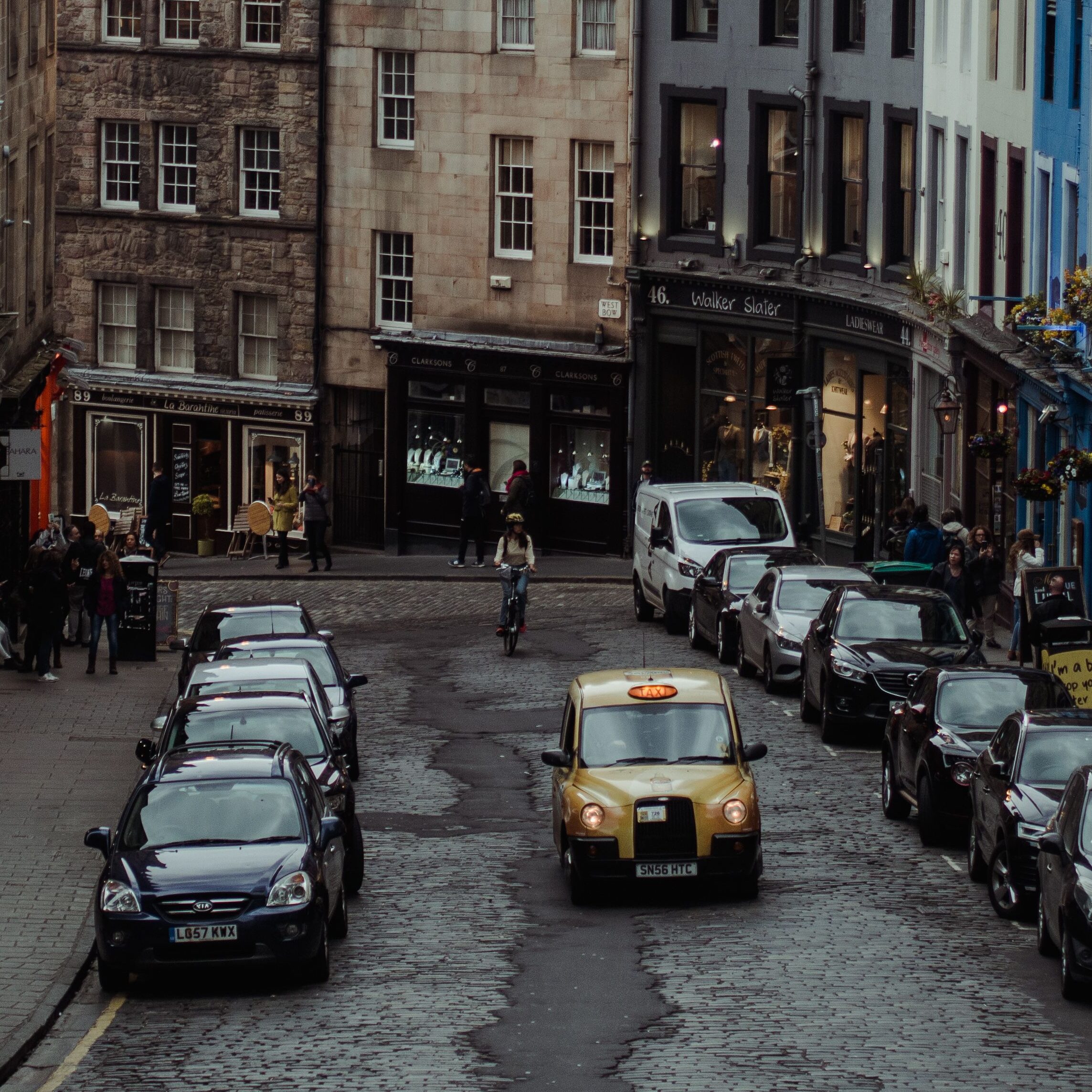
The enlargement of vehicles, including EVs, prioritises car use over people
To answer Dr Douglas’ question, “Are cars the new tobacco?”, the evidence suggests that socially and culturally, they are. This is not simply because of their harms, but because of how deeply those harms are normalised, marketed, and built into our everyday life.
Alternatives such as EVs do not address our continued reliance on driving or the wider health, social and environmental consequences of a car-dominated transport system.
The signs are clear: we must stop equating car dependence with freedom when its risks continue to damage our future. By placing greater trust in the public transport network, we have a better chance of seeing a more sustainably resilient Scotland against the threat of the climate crisis.