
Ahead of the kerb
It’s time to face the real impacts of parking – higher costs, lost public space, stretched council budgets, and streets that are less safe and healthy.
Why parking matters
Parking isn’t free – even when it looks like it. Everyone pays for it, whether they drive or not.
Retail prices rise to cover it, while rents and house prices climb when parking is bundled in.
And the poorest end up subsidising the wealthiest, who own more, and larger, cars.
Public space
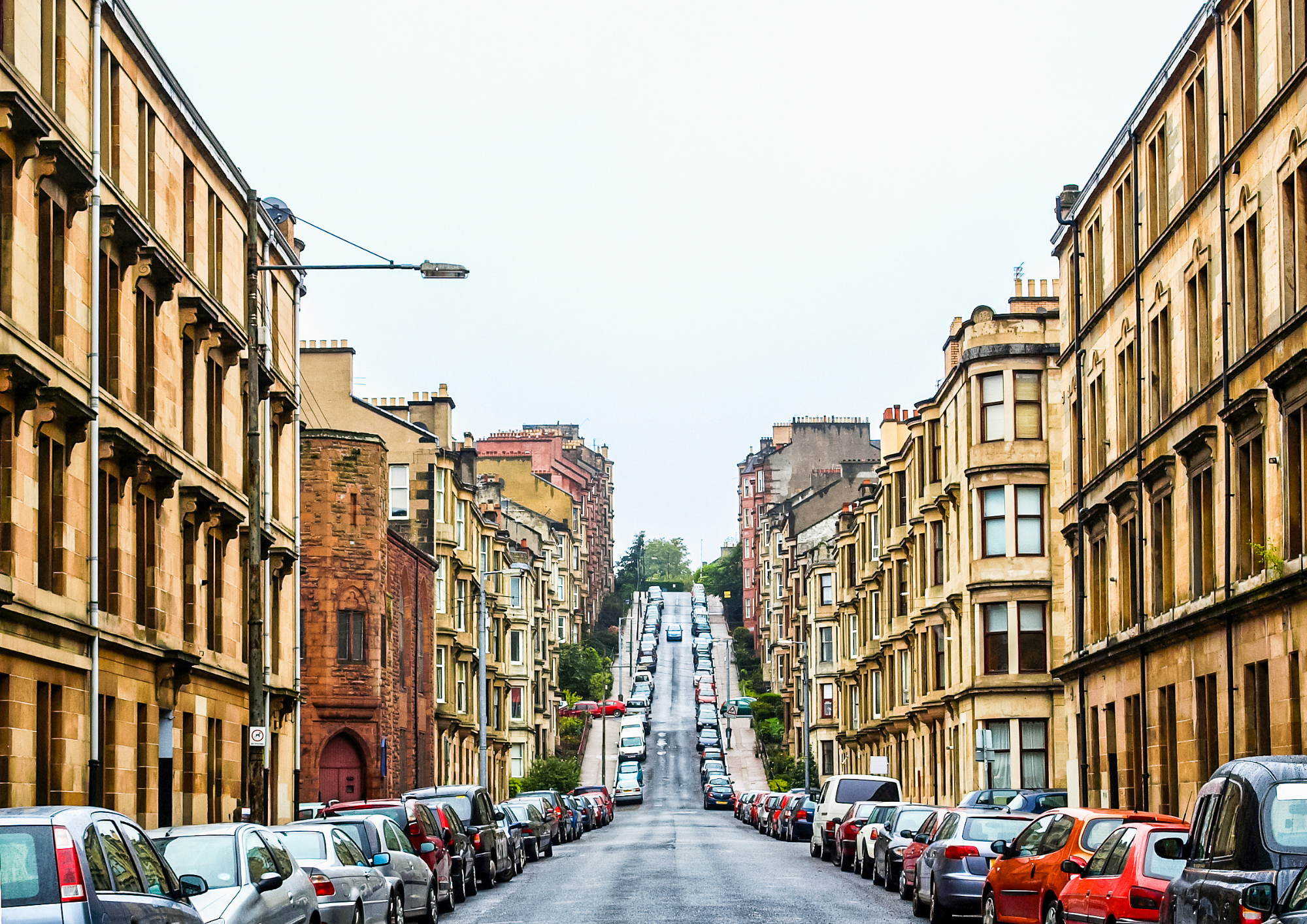
Half the space of a typical city street goes to parking. That’s land that could instead deliver affordable housing, safe cycle lanes, green space or better bus priority. Instead, kerbsides across Scotland are dominated by private vehicles that sit idle 95% of the time.
Public funds
Parking carries a hidden cost for councils: maintaining streets and kerbs for private cars consumes scarce budgets, leaving less to invest in public transport, walking routes and community facilities.
Public health
Cars already dominate too much of our shared space. They pollute, clog up streets, and make walking or wheeling less safe and less pleasant. The burden falls heaviest on children, older people, and those without cars.
By reforming parking, Scotland can raise vital revenue, cut climate emissions, and deliver a fairer and healthier transport system for everyone, regardless of whether or not they have a car.
What’s the problem with SUVs?
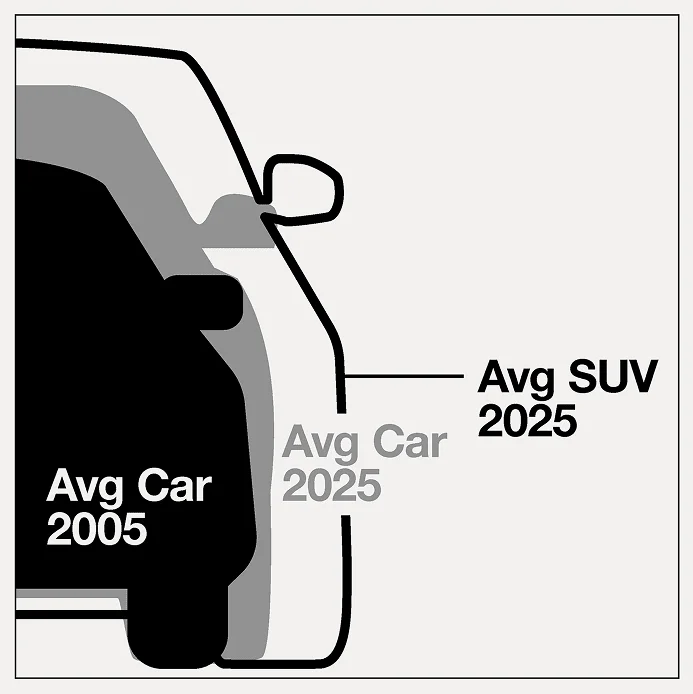
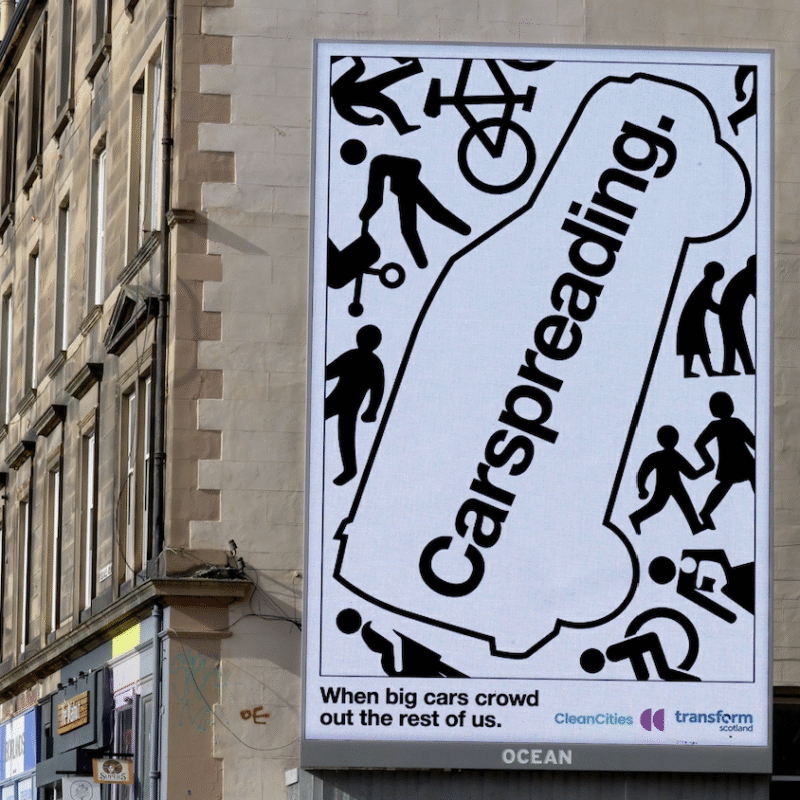
Cars are getting bigger. The growth in Sports Utility Vehicles (SUVs) means our cars are getting 1cm wider every two years.
These larger, heavier vehicles occupy more space on urban streets and pose greater risks to vulnerable road users.
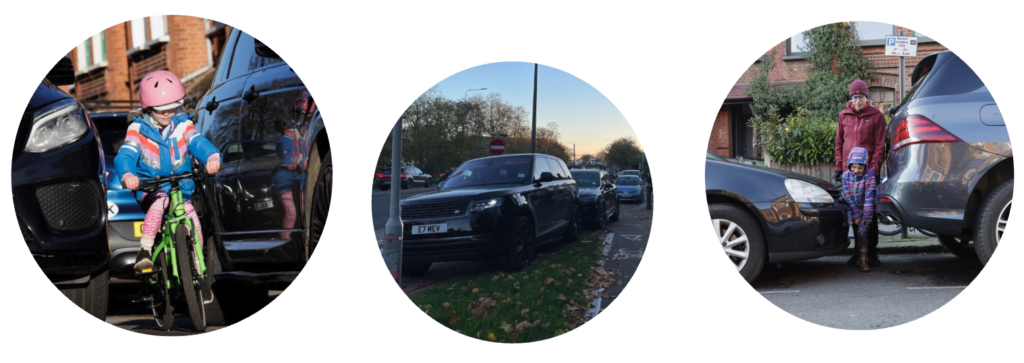
SUVs take all the above problems and magnify them:
- Size: Over 1 million vehicles sold in the UK each year are now too big for standard parking spaces.
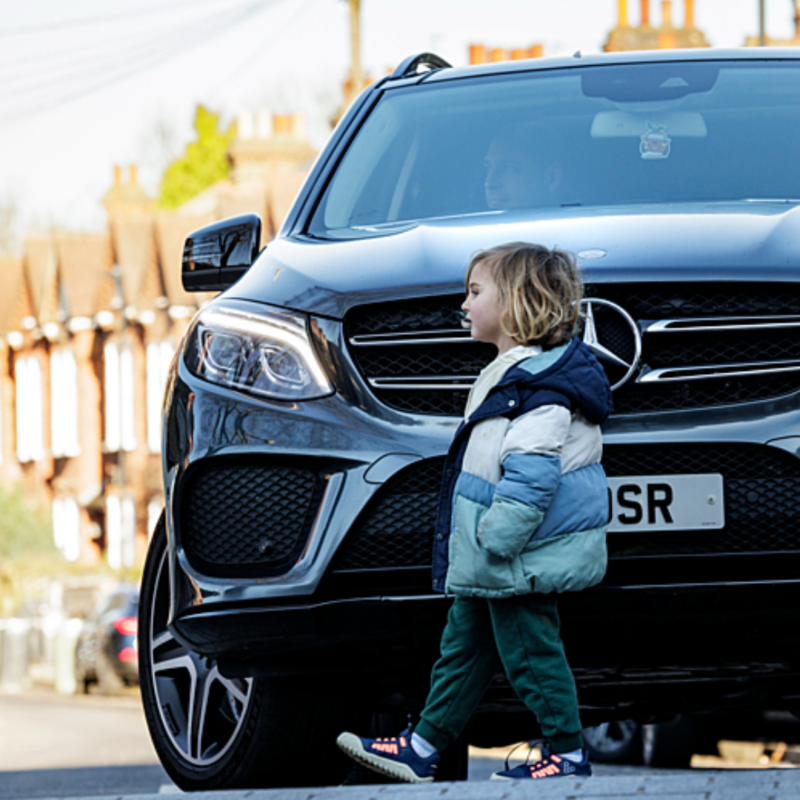
- Safety: In a collision, SUVs are eight times more likely to kill a child than a smaller car.
- Pollution: If SUVs were a country, they’d rank as the world’s fifth-biggest emitter. Even electric SUVs require far more materials and energy to build and run.
- Inefficiency: They block visibility, crowd out smaller cars, and reduce space for everyone else in already-congested cities.
SUVs are not only unnecessary in our cities – they are the sharpest example of excess: more space, more danger, more pollution, and more cost to society.
Read our briefing on the rise of SUVs, prepared by Professor Adrian Davis here.
We’re working with local authorities and with campaigns like Carspreading and the SUV Alliance to push for parking policies that make our streets fairer, safer and healthier. Look out for more updates on our channels soon.
Read more
- Tackling the growth of SUVs in Scottish Cities | Transform Scotland briefing
- ‘3 positive case studies for raising revenue from parking’ | from Transform Scotland ‘Ideas for Investment’
- Bonnet heights growing 1cm higher every 2 years | Transport & Environment
- UK SUV sales have increased by more than a fifth in one year | Transport & Environment
- SUV Alliance
- Carspreading campaign
Harms of SUV use in Scottish cities
20 November 2025
Professor Adrian Davis sets out the social, environmental and economic harms of the rise of SUVs in urban Scotland.
‘Gas-guzzling status symbols’: Majority of Scots say SUVs don’t belong in cities
10 September 2025
The rise of SUVs in Scottish cities is under fresh scrutiny today, as new polling shows a clear majority of Scots believe these large vehicles are unnecessary in urban areas…
Here’s one tax against large cars that went entirely under the radar
21 July 2025
Board member Rachael Revesz reports on a recent policy win for sustainable transport which has received very little attention. She outlines what the re-classification of pick-up trucks as cars means…

Fairly funding transport: New report sets out how to raise funds for sustainable transport
27 November 2024
Our new report ‘Ideas for Investment‘ published today (Wed 27 November) brings together a range of transport experts to propose a comprehensive suite of innovative financial instruments and tax reforms…