In this blog article, Transform member Far North Line Community Rail Partnership, discusses how car-free tourism can reduce emissions, ease pressure on rural roads and support sustainable travel across the Highlands.
Promoting car-free tourism across the Highlands
Tourism is vital to the Highlands, supporting jobs, local businesses and communities across a vast and often fragile landscape. However, the dominance of car-based travel presents growing challenges, from congestion on single-track roads to pressure on communities, infrastructure and the environment.
Promoting car-free tourism offers a practical way to balance economic benefit with sustainability. By improving access to public transport and encouraging visitors to travel differently, the Highlands can remain welcoming while reducing the impacts associated with high levels of private car use.

Why car-free tourism matters in rural Scotland
In many parts of the Highlands, tourism and car dependency are closely linked. Visitors often perceive driving as the only realistic way to explore rural areas, particularly where distances are long and services are infrequent.
Yet increased traffic brings consequences: road damage, informal parking, safety concerns, noise and emissions, and pressure on small communities not designed to accommodate high visitor numbers. Car-free tourism helps reduce these impacts while supporting national ambitions around climate change, public transport use and modal shift.
Encouraging alternative travel choices also helps reshape expectations, signalling that rural destinations can be experienced responsibly and without reliance on private vehicles.
Rail as the backbone of car-free travel
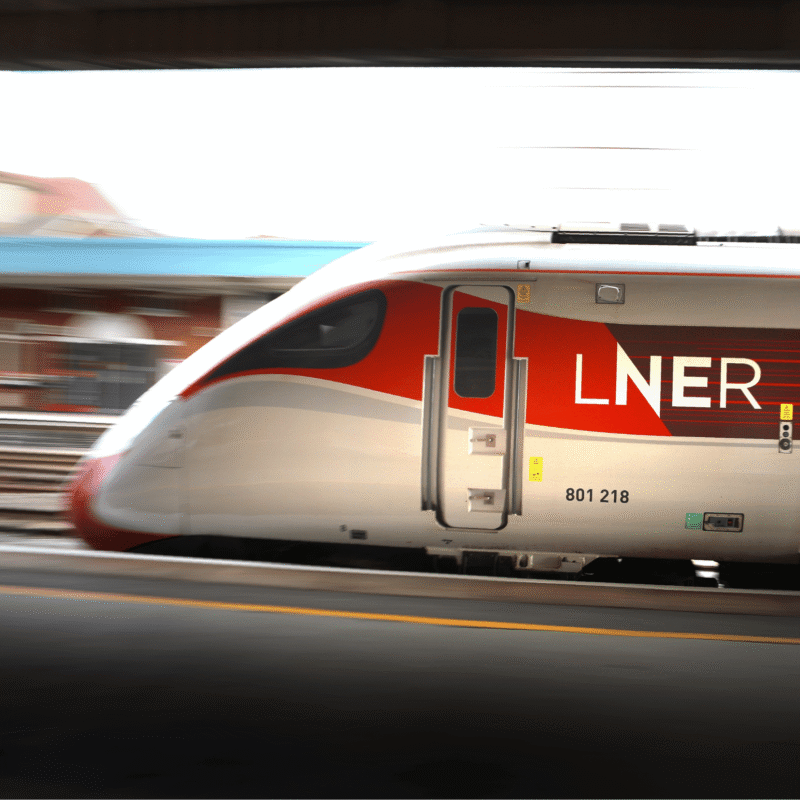
Rail plays a central role in enabling car-free tourism across the Highlands. Routes such as the Far North Line provide access to remote destinations while offering a significantly lower-carbon alternative to long-distance car journeys.
The Far North Line connects Inverness with Wick and Thurso, passing through some of Scotland’s most distinctive landscapes and serving communities along the way. For visitors, the railway offers a slower, more immersive journey that reduces pressure on roads while making rural areas accessible.
Stations act as gateways, linking rail travel with walking routes, cycle networks, local transport and visitor attractions. This integrated approach allows rail to function as the backbone of car-free tourism.

Supporting communities, not overloading them
Car-free tourism helps ensure that the benefits of tourism are shared without overwhelming local infrastructure. Visitors arriving by public transport are more likely to spend time and money in communities than those who pass through quickly by car.
Rail-based tourism also supports local businesses near stations, from accommodation providers and cafés to visitor attractions and activity operators. By spreading visitors along a route rather than concentrating them in car-accessible hotspots, pressure can be reduced on the most sensitive locations.
Community rail partnerships play a key role in this process by working with local stakeholders to promote rail travel and improve the visitor experience at stations and along routes.
Changing perceptions and building confidence
One of the main barriers to car-free tourism is perception. Visitors need confidence that public transport is reliable, easy to understand, and suited to their needs.
Clear information, integrated journey planning and well-maintained station environments all help build this confidence. Community-led initiatives, such as improved signage, local guides, and active travel links from stations, can make a significant difference in how accessible car-free travel feels.
By highlighting positive examples and practical routes, organisations can help normalise car-free tourism rather than presenting it as a niche or restrictive option.

Aligning tourism with climate and transport goals
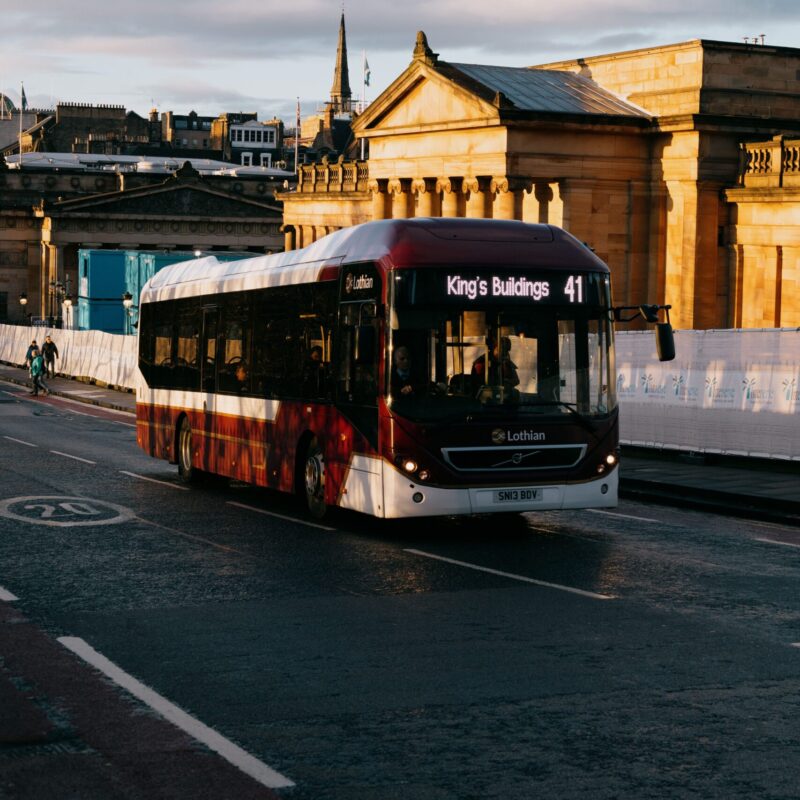
Promoting car-free tourism directly supports Scotland’s wider transport and climate objectives. Reducing reliance on private cars cuts emissions, supports public transport viability and helps shift travel behaviour in line with long-term sustainability goals.
For rural areas, this approach also reinforces the importance of continued investment in public transport, ensuring that services meet the needs of both residents and visitors. The work of the Far North Line Community Rail Partnership, which promotes sustainable travel and community engagement along one of Scotland’s most rural rail routes, demonstrates how locally driven initiatives can contribute to national ambitions.
A more sustainable future for Highland tourism
Car-free tourism is not about limiting access to the Highlands, but about shaping it more carefully. With the right infrastructure, information and partnerships in place, visitors can experience rural Scotland in ways that support communities rather than strain them.
By placing public transport at the heart of tourism planning, the Highlands can continue to welcome visitors while protecting the landscapes and communities that make the region so special.
The Far North Line Community Rail Partnership (FNLCRP) works to promote, protect and enhance Scotland’s iconic Far North Line, the most northerly passenger railway in the UK. Spanning from Fearn to Wick and Thurso, this scenic route plays a vital role in sustainable, car-free travel, reducing transport inequalities, and connecting remote communities.