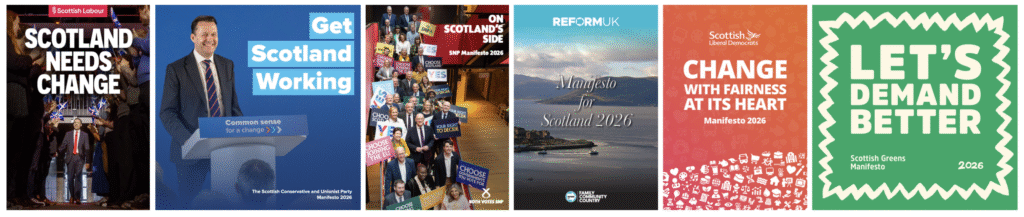
Ahead of the Scottish Parliament elections on 7 May, we’ve scrutinised the main party manifestos to assess what is promising, what is problematic, and what is missing from the debate.
We review the key transport-related proposals across fares and public transport, infrastructure investment, traffic and roads, aviation, and active travel.
Key takeaways:
🟢 Lowering public transport fares the single largest issue.
🟢 Public transport infrastructure investment also a common theme.
🟢 Road maintenance & tackling road works also prominent.
🟠 Transport governance reform gets lots of attention.
🟠 Big spending commitments but minimal attention given to funding.
🔴 Active travel investment is largely neglected – or actively opposed.
🔴 Tired ‘War on the motorist’ tropes platformed by Tories & Reform.
🔴 Missing: Demand management, tackling SUVs, action on freight modal shift.
Fares & integration
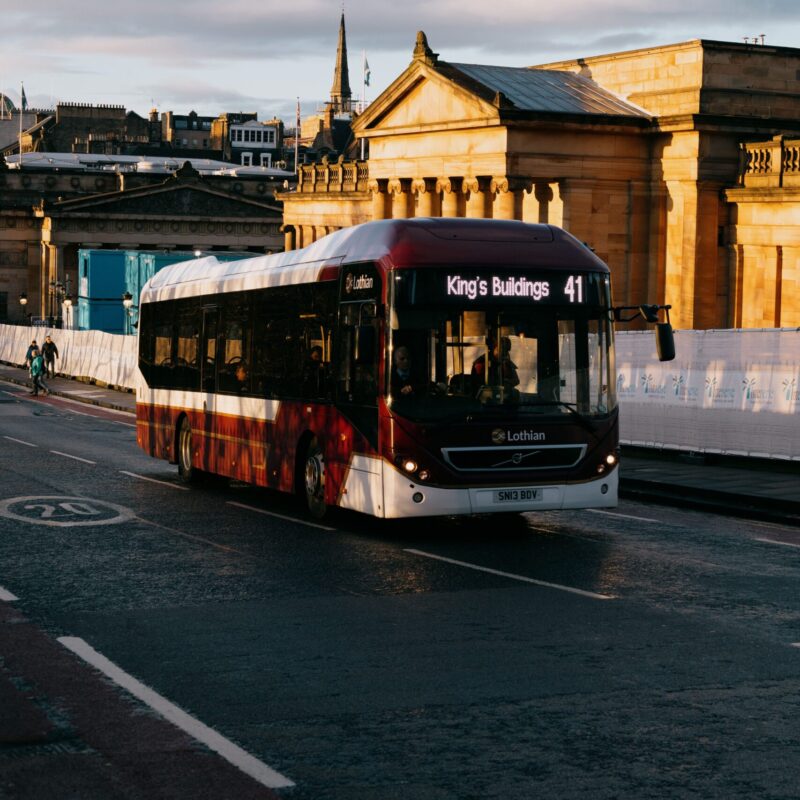
Fares dominate the manifestos for a reason: public transport is often too expensive and too complex for many. Just over three-fifths of voters in Scotland say the cost of living is one of their top three issues, and transport costs speak to people’s daily experience. The SNP proposes a £2 bus fare cap and the Greens push for free bus travel. Meanwhile Labour, Greens and Lib Dems all back integrated ticketing with capped fares – a clear step towards a simpler, more joined-up system. The Conservatives focus narrowly on peak rail fares, while Reform says nothing on public transport costs.
There is clear consensus on making transport cheaper and easier to use. The challenge will be delivery: ensuring these policies are funded sustainably, avoid distorting competition between modes, and actually shifting behaviour – rather than simply lowering costs without reducing car use.
One of the more novel proposals is Reform’s suggestion to scrap Road Equivalent Tariff, and instead subsidise essential ferry travel for islanders with funds raised from large tourist vehicles such as camper vans. The impacts of this will need to be teased out a bit, but it’s certainly something that merits further attention.
Public transport infrastructure
There is broad cross-party backing for major rail investment, particularly electrification and faster inter-city travel, with Labour leading on a £2bn commitment and SNP, Greens and Lib Dems all supporting further network expansion. Rural connectivity also features across parties, from Conservative support for a Small Town and Rural Bus Services Fund to wider ferry renewal programmes, including the Lib Dems’ proposed Ferries Bill.
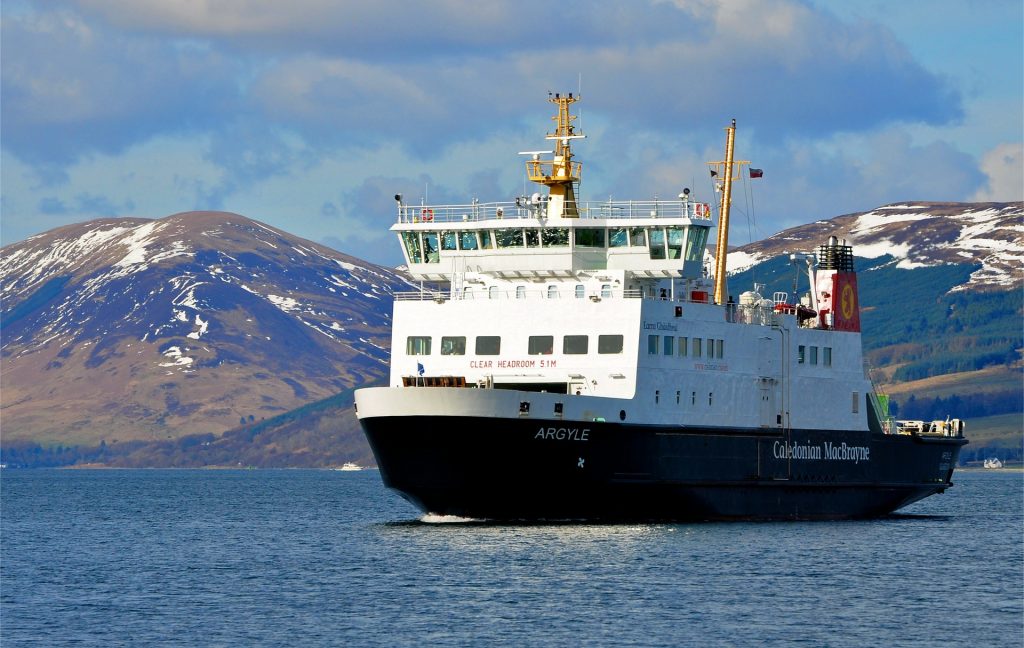
However, key gaps remain. Rolling stock renewal is largely absent across all parties, despite ScotRail having one of the oldest fleets in the UK. There is limited attention on the passenger experience – reliability, comfort and frequency – factors which ultimately determine whether people switch modes. And while commitments to improving ferry and port infrastructure are welcome, questions remain about how this will be funded and delivered at pace.
There’s a bigger challenge surrounding buses. Parties are preoccupied with fares, yet road space reallocation is needed to make buses more competitive with private cars. People are more likely to switch to bus services if they are given priority on the roads rather than stuck in congestion, but many parties fail to call for increased bus priority. The Greens, and perhaps somewhat surprisingly, Reform have explicitly backed “bus corridors in our major cities”. Yet such measures remain absent from the SNP manifesto after various failed commitments and funding u-turns in this area.

Aviation
Aviation is the most polluting and under-taxed mode of transport – and one of the clearest dividing lines across the manifestos. The Greens set out the most ambitious approach, proposing a frequent flyer levy, a domestic flight surcharge and tighter restrictions on private jets. The SNP and Lib Dems take a more incremental route, focusing on targeted measures such as private jet taxation and broader aviation tax reform, while Labour and the Conservatives lean towards expanding the sector. Labour’s proposal to increase subsidy for aviation (re-introducing the long-scrapped Air Route Development Fund) is a particularly retrograde step in the context of the climate crisis.
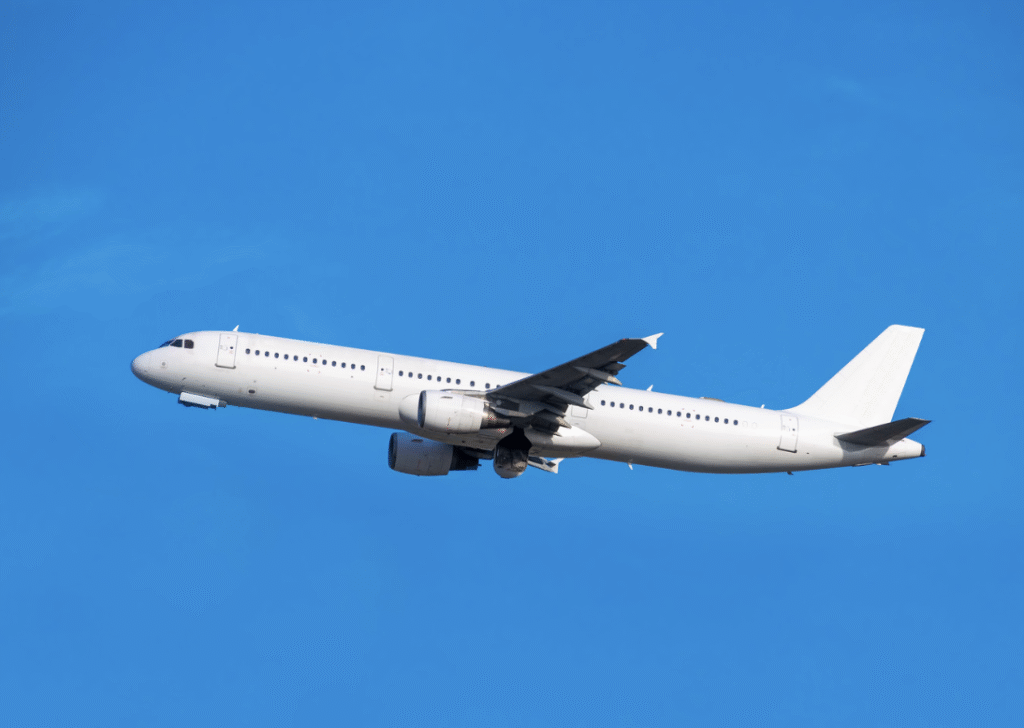
Across most manifestos, there is limited focus on reducing short-haul flights (particularly the high-carbon Central Belt to London routes). The policy gap on shifting demand away from domestic flying remains largely unaddressed outside the Greens.
Cars & traffic
There is near-universal agreement on fixing potholes and investing in road maintenance. This is welcomed (even if the Conservatives call for these funds to be cut from active travel is not). However, most parties also back multi-billion pounds worth of new road-building, including the A9 and A96. It is counterproductive to increase road capacity when it notoriously generates more traffic and locks in emissions for years to come.
The Conservatives and Reform lean hardest into “war on the motorist” myth, further damaging the prospects for sensible transport debate.
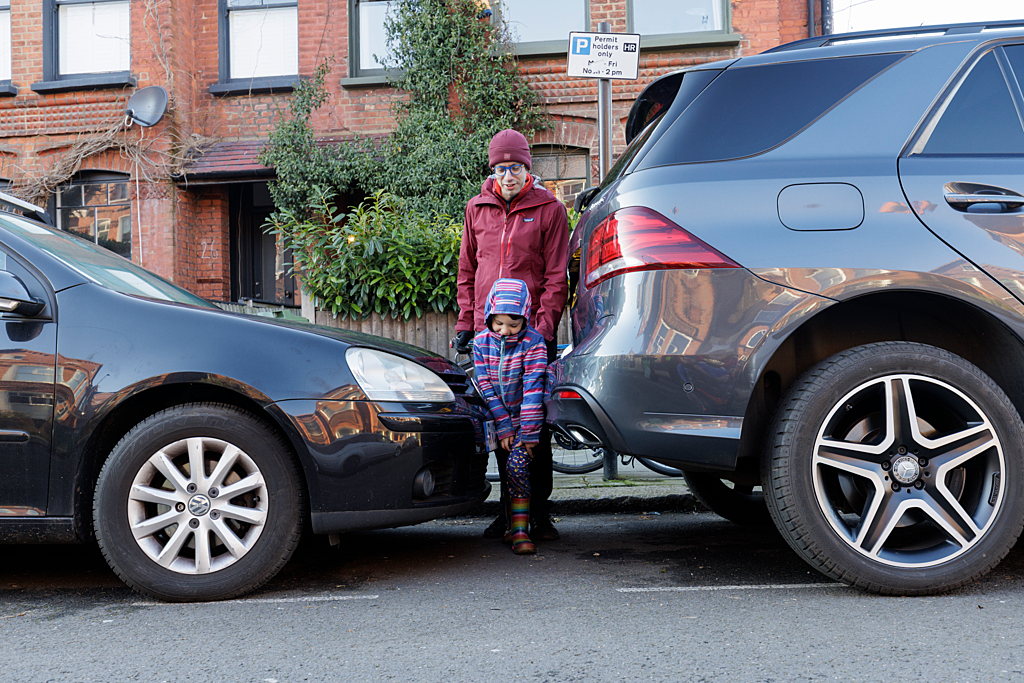
What’s missing is demand management. There are no proposals on road pricing or tackling the rise of larger, heavier vehicles like SUVs, despite their road safety and road damage impacts. The result is more spending on roads, without a credible plan to reduce car dependency and its harms to society.
Active travel
Active travel remains one of the most cost-effective transport interventions available, improving public health, cutting emissions and widening access to jobs and services. Yet it receives surprisingly limited attention across the manifestos. The Greens stand out for maintaining a clear commitment to allocate at least 10% of the transport budget to walking, wheeling and cycling.
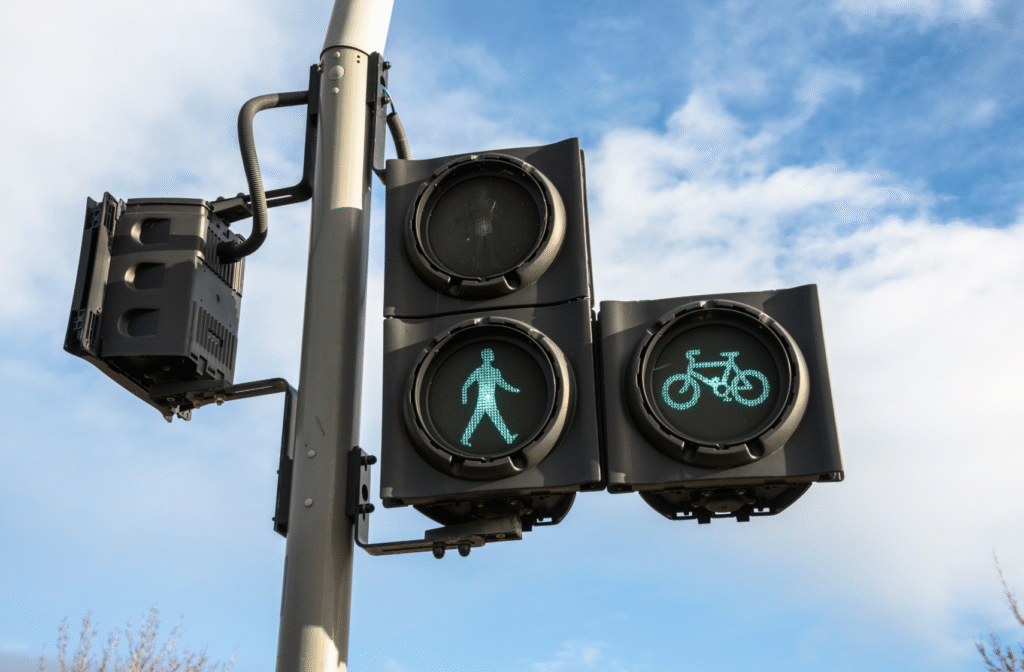
Elsewhere, ambition appears to have softened. Labour makes exactly zero reference to active travel while the SNP steps back from its previous 10% spending commitment. This matters for fairness. Poor walking and cycling infrastructure disproportionately affects lower-income communities, limiting access to opportunity and locking in inequality.
Read more analysis of the manifestos from our members CPT Scotland (bus & coach focus) and Spokes (active travel focus).