Public affairs manager Laura Hyde-White comments on the outcome of the 7 May Holyrood elections and what the results could mean for transport in the next parliamentary session.
What does the new Parliament look like?
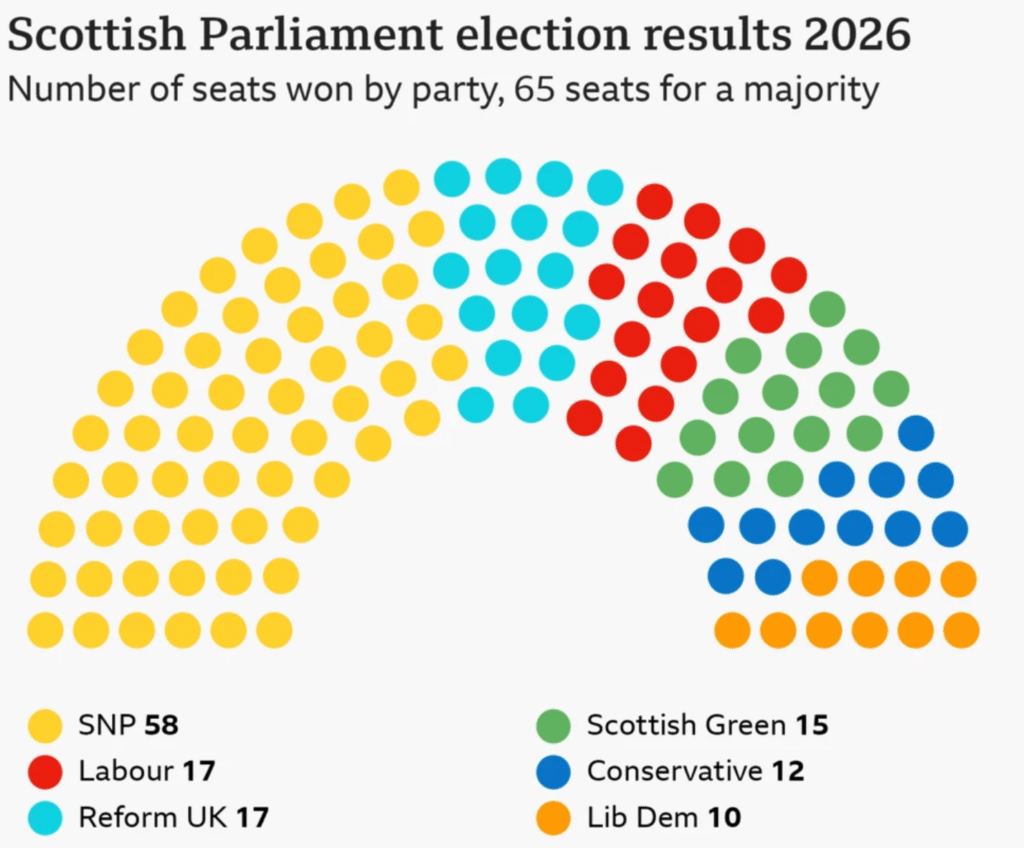
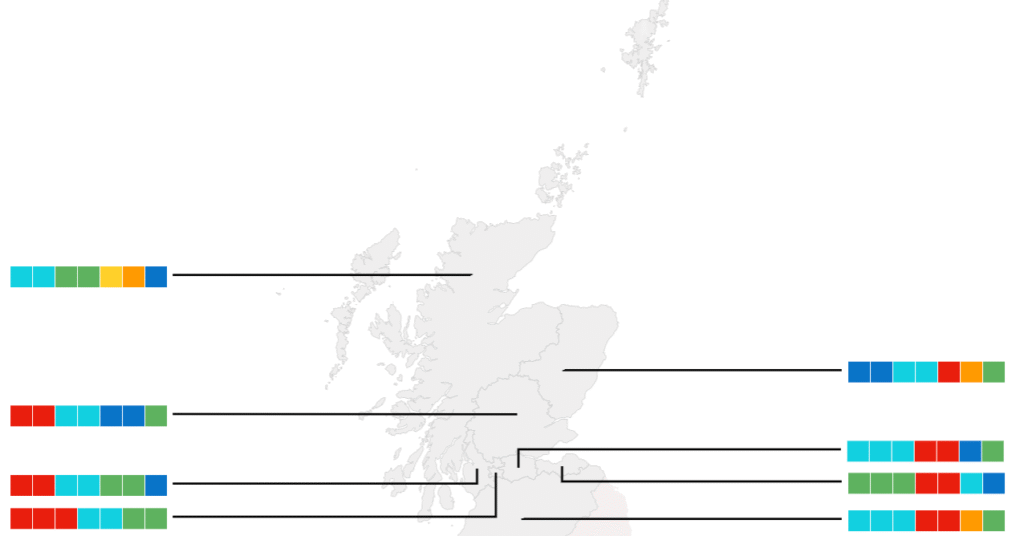
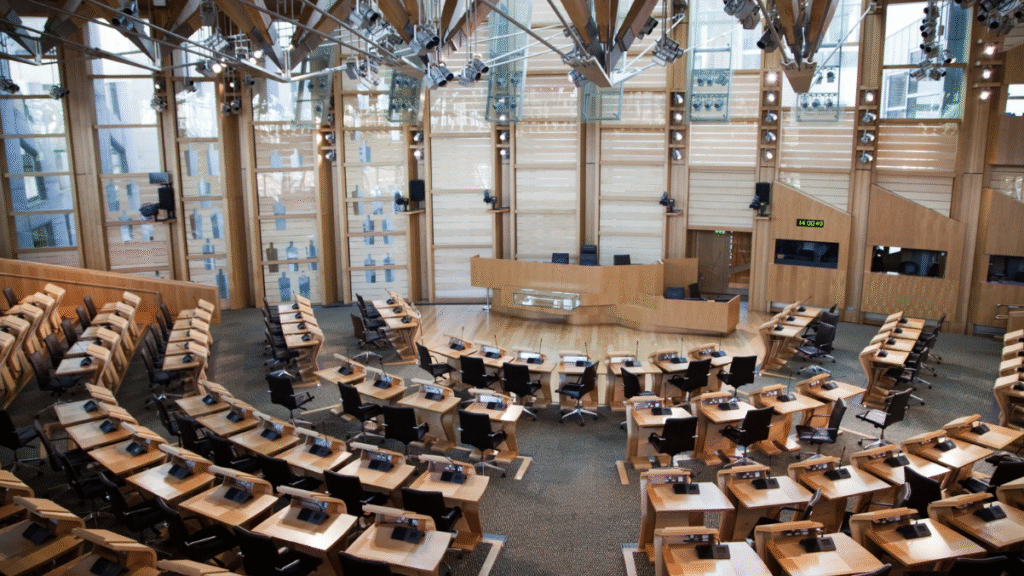
The SNP has won a fifth successive Scottish Parliament election, albeit being 7 seats short of a majority. A key difference compared to the last session is the wholly new dynamic of fragmented opposition: Reform and Labour are now joint second largest parties (17 seats), just ahead of the Greens (15 seats). The Conservatives and Lib Dems have 12 and 10 seats respectively.
With the SNP unlikely to pursue a formal Bute House Agreement-style coalition and explicitly ruling out working with Reform, we might instead expect to see them seeking some form of informal alliance with either the Greens or the Lib Dems.
In the following sections, we review what we can expect from this Scottish Parliament on transport. In particular, we set out:
- the SNP’s existing transport commitments,
- the role of a fragmented opposition in shaping transport priorities, and
- the key areas where Transform will be campaigning for progress in the next 5 years.
What is the SNP’s position on transport?
Bus
The SNP’s headline manifesto commitment was a legislative £2 bus fare cap to improve affordability, a welcome move for passengers. However, the manifesto is disappointingly silent on bus priority measures, which are essential for tackling congestion and improving journey reliability.
Rail
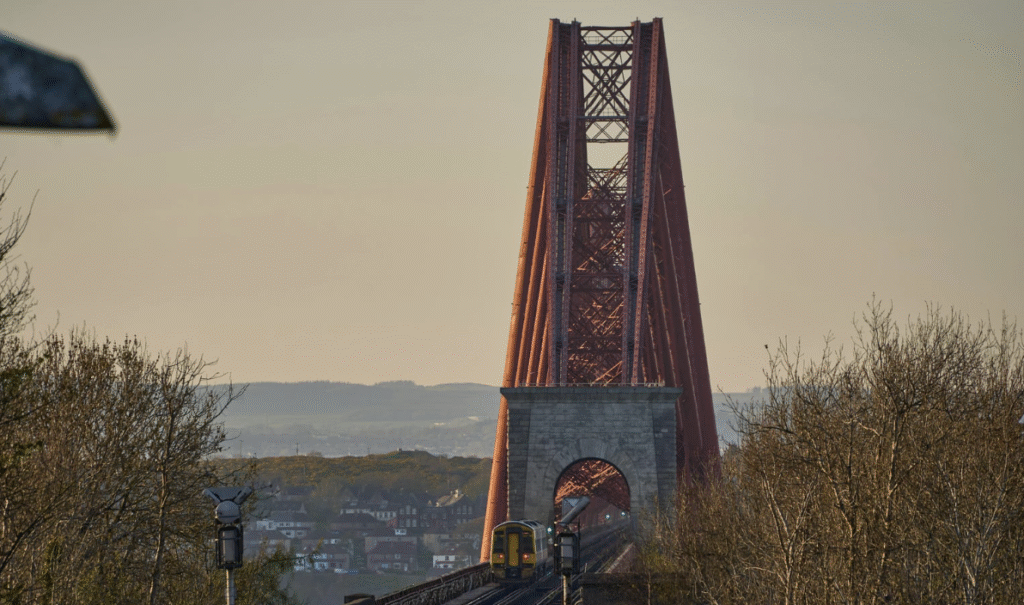
The SNP centre the nationalisation of ScotRail, station re-openings and peak fares scrap as key achievements of its time in Government. The SNP manifesto promises to build on this, with exploration of new stations and network expansion. Yet, there is no mention of new rolling stock or Scotland’s electrification programme. Given ScotRail has some of the oldest trains in the UK, it is critical to keep up momentum to avoid a railway reliant on older and less reliable trains, particularly for rural routes.
Ferries
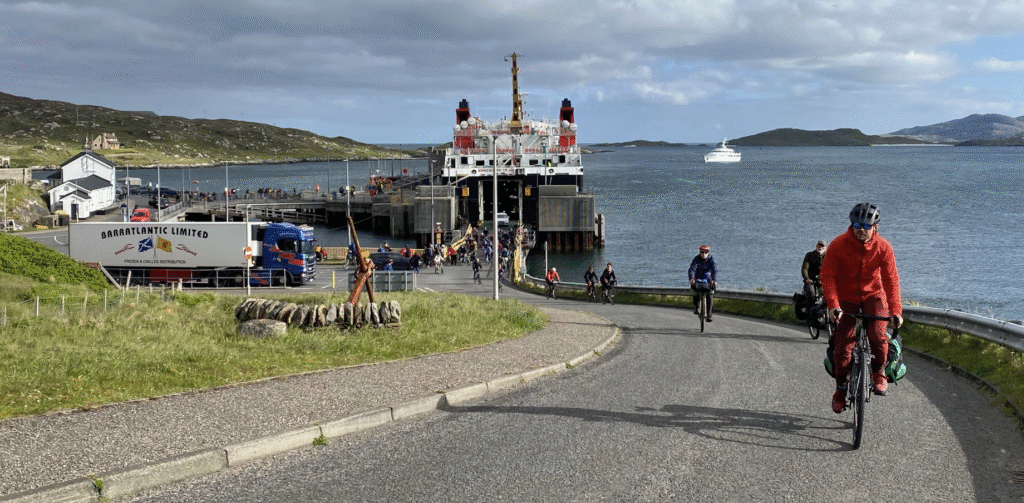
Following a challenging period for ferries, the SNP are committing to streamlining governance and improving efficiency. However, the commitments are vague. There is similar opacity to their reference to support the introduction of a Scotland/Europe ferry from Rosyth.
Active travel
Despite some helpful proposals to promote active travel – including funding for a bike repair scheme and recreational paths – there’s an obvious absence of a clear spending commitment (previously 10% of the total transport budget) dedicated to the healthiest travel modes.
Cars & traffic
The latest SNP manifesto makes no reference to traffic reduction – a disappointing omission in light of its previous world-leading commitment to cut traffic by 20% by 2030. Demand management is also overlooked, and the party even explicitly dissuades Glasgow from congestion charging.
Road network
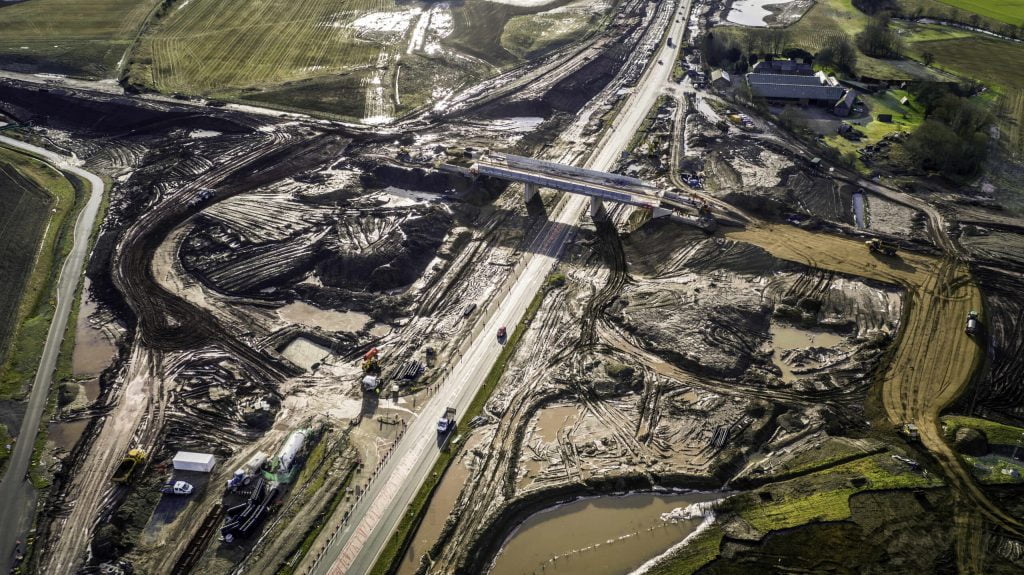
Continued road-building spending commitments, including dualling the A9, deeply undermine the credibility that the SNP will “take the necessary action to achieve net zero by 2045” when it’s been long-proven that expanding roads generates more traffic. However, the party’s commitment to a £350m ‘better surfaces’ fund to support Local Authorities with road maintenance and potholes is a much fairer and sensible policy position, with benefits for a wider range of the population – from drivers to cyclists to pedestrians and prams.
Aviation
The private jet tax proposed earlier in this year’s budget remains in the SNP’s air travel policy set. Despite a reference to rail sleeper services to Europe, more can and should be done to deter excessive flights between the Central Belt and London.
Freight
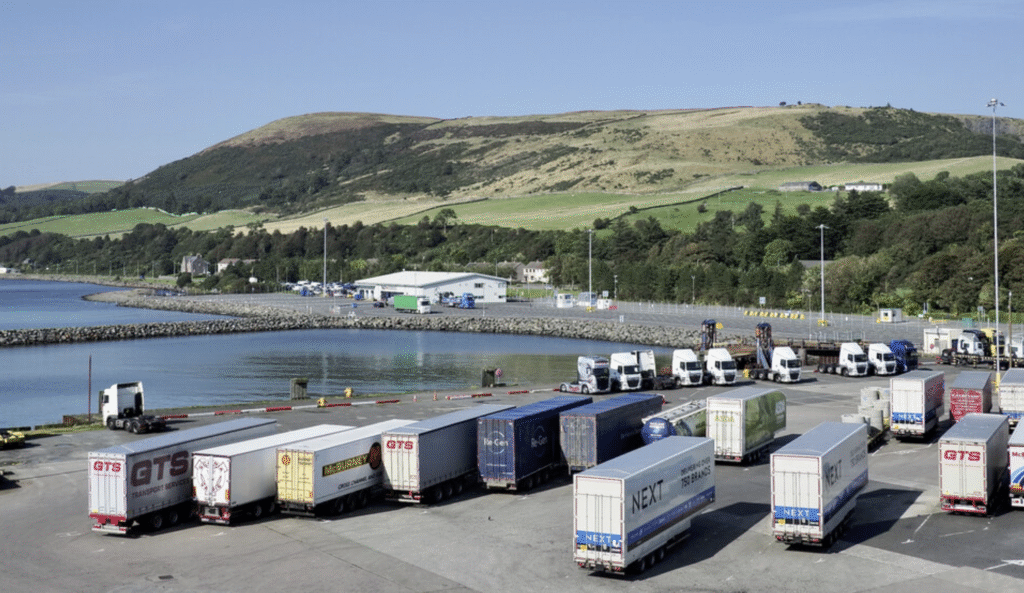
Moving goods in, around and out of Scotland is critical to the economy, yet there is no mention of freight in its manifesto. Given that the hundreds of HGVs on our trunk roads are a serious source of air and noise pollution, more should be done to support rail freight opportunities.
Interestingly, the SNP’s latest manifesto also talks of bringing Transport Scotland back into the Scottish Government. It is unclear what is meant by this given that it is already an executive agency of the government. Significant reform is urgently required there – but it’s already run by civil servants under ministerial control…
How can the opposition move the debate?
With the SNP seven seats short of a majority, the Greens and Lib Dems are set to become the primary architects of transport policy. Since the SNP has ruled out working with Reform and remains at odds with Labour, they must rely on these smaller parties to pass any legislation. This dynamic gives the smaller parties significant leverage to demand the investment in sustainable transport that was noticeably missing from the SNP’s own manifesto.
We expect this dynamic to move the dial on active travel, with the Greens in particular remaining unwavering on their 10% budget pledge for walking and cycling. We also anticipate both the Greens and Lib Dems will push for meaningful action on curbing car use – an issue highlighted in both of their manifestos – as well as securing support for progressive taxes on the most polluting mode: aviation.
Beyond these likely alliances, there is near-universal agreement on fixing Scotland’s crumbling infrastructure, with almost all parties calling for dedicated pothole funds. However, we must remain alert to the “war on the motorist” rhetoric coming from Reform and the Conservatives. While the SNP is unlikely to align with these extremes, this divisive framing threatens to derail evidence-based debate on a healthier, fairer and more efficient transport system.
What do we want to see in the next parliamentary session?
Following an election dominated by affordability, we must see sensible dialogue on what ‘fair fares’ really means amidst fiscal challenges and evolving passenger demographics.
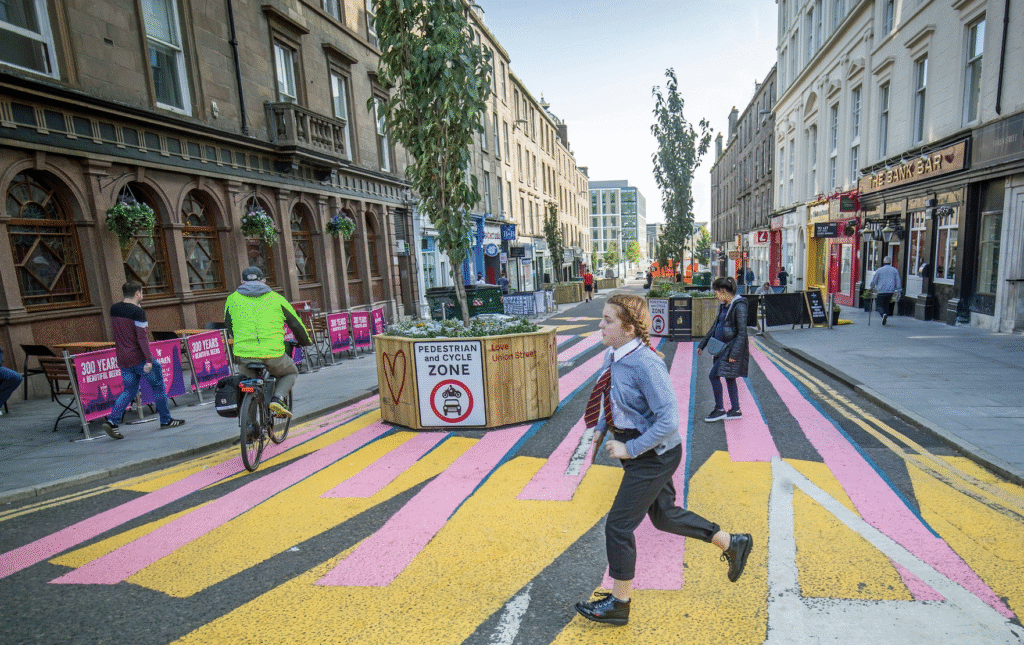
The Government should also build on the cross-party consensus established over the election period for fixing existing infrastructure. We’ll continue to make the case for people-first streets and a transport budget that prioritises making everyday journeys healthier and safer (rather than one that throws billions at traffic-generating new roads schemes).
Beyond local transport, it is critical that Session 7 sees investment in rail electrification, modernisation and new rolling stock, given that our railway is the essential backbone of country’s transport system.
Amidst energy security concerns, we also need to see Scotland’s vast renewable energy assets integrated into the transport network, to power the movement of both passengers and freight. This shift is central to a modern industrial strategy that bolsters Scotland’s international reputation and builds a world-class transport network capable of supporting a thriving Scottish economy.