Renewed disruption to global oil markets has exposed the continuing fragility of the world’s energy system. Transform Scotland’s Emilia Lauder argues that Scotland’s best defence against future oil shocks is to reduce dependence on oil altogether. r
What began as a regional conflict has become another reminder of the world’s vulnerability to oil market disruption. A temporary ceasefire in Iran helped ease oil prices from their wartime highs, but renewed attacks on shipping in the Strait of Hormuz have shown how quickly global energy markets can be thrown back into turmoil.
When the Trump administration joined Israel’s military campaign against Iran earlier this year, the Strait of Hormuz once again became central to the global economy. Disruption to shipping routes pushed up oil prices, renewing political pressure to shield motorists from fuel price rises. The impact was quickly felt beyond the Strait, becoming a focal point of global disruption and debate.
This is not a one-off emergency. The war in Ukraine in 2022 and the Iran crisis in 2026 produced two major oil shocks in just four years. Each time, the pattern is familiar: shortages disrupt global supply, fuel prices rise, inflationary pressure follows, and governments reach for short-term measures to make petrol and diesel cheaper.
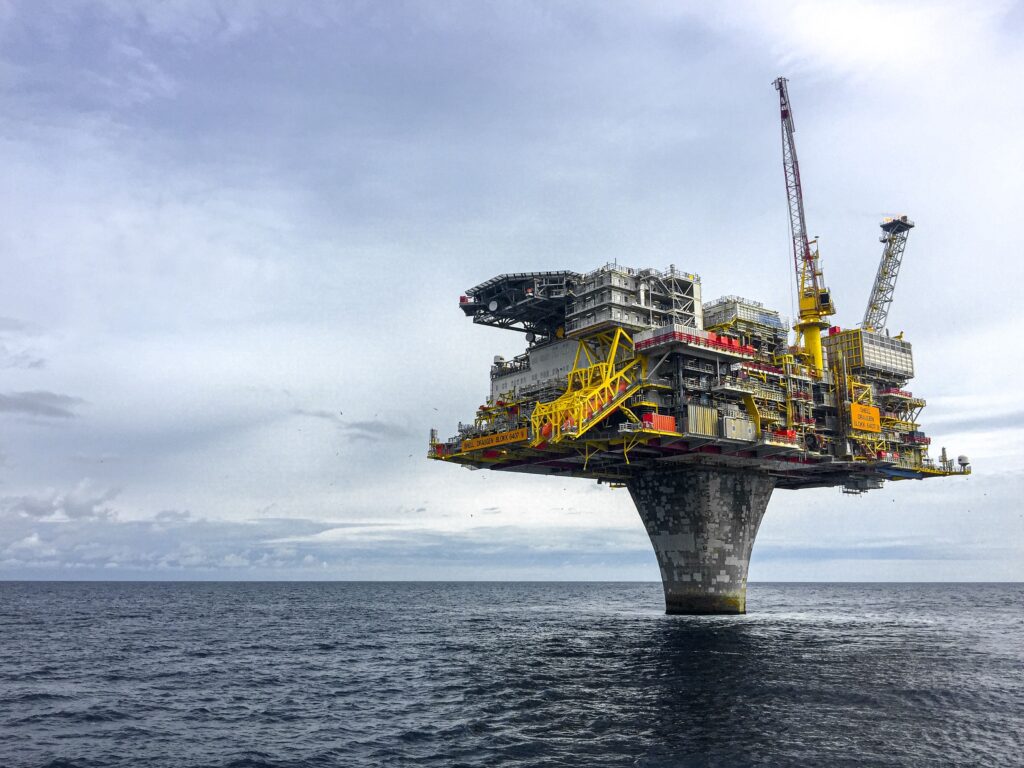
Repeated oil shocks in such short succession clearly expose a structural vulnerability: successive governments have failed to heed the lessons of the 1970s, leaving the UK heavily dependent on fossil fuels and a transport system built to accommodate them.
The challenge for Scotland is not simply how to weather the next oil shock, but how to reduce its exposure before it arrives.
Oil dependency is an economic vulnerability
Transport is one of the sectors most exposed to oil price shocks. The International Energy Agency (IEA) has urged governments to reduce oil demand through measures such as increased use of public transport, lower speed limits, car-sharing, and fewer unnecessary journeys. However, resilience cannot rely solely on changing individual behaviour. Governments must also address the structural dependence on oil that leaves economies vulnerable in the first place.
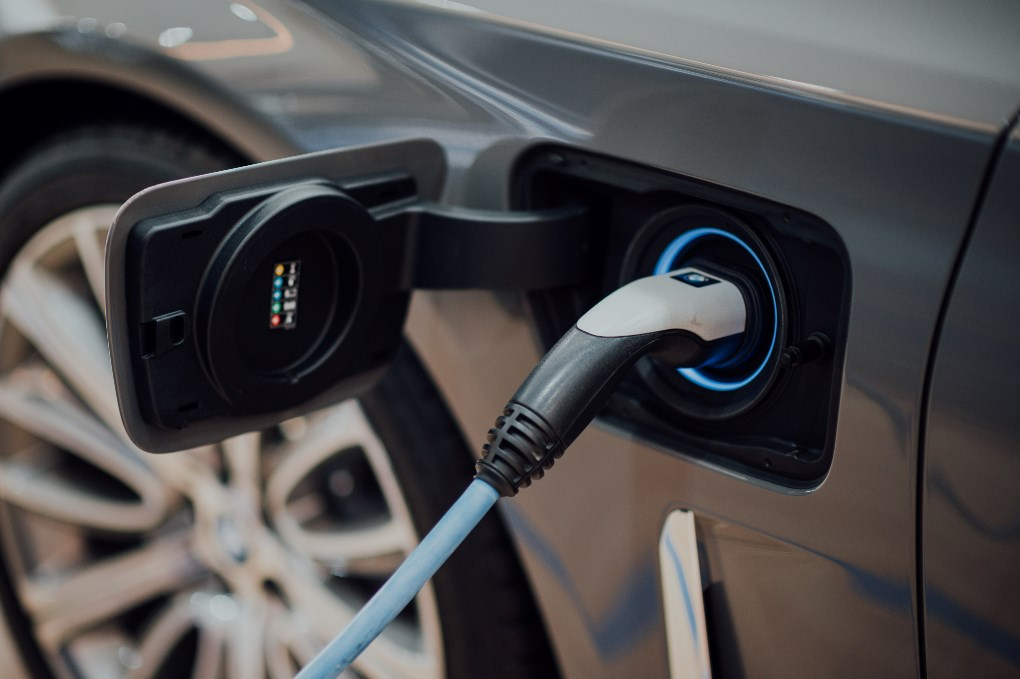
The consequences of that dependence have been keenly felt since the conflict escalated. The BBC reported that every $10 increase in oil prices pushes up petrol prices by roughly 7p per litre, about a 5% increase at the pump. For households that rely on driving every day, those increases quickly add hundreds of pounds a year to transport costs.
Scotland cannot control the conflict in the Middle East. It cannot control OPEC, global oil prices or the Strait of Hormuz. But it can control how much oil the nation requires.
The case for more oil
The current crisis has prompted renewed calls from the Conservatives and Reform UK for increased domestic oil and gas production. They would argue that North Sea extraction remains important for jobs, local economies and energy security, particularly in places such as Aberdeen that have long depended on the sector.
Yet oil is traded on international markets, meaning Scotland remains exposed to global price shocks regardless of where supply originates.
Those arguments are unlikely to disappear with a change of government. As Andy Burnham prepares to succeed Keir Starmer as Prime Minister, pressure is already mounting from industry, trade unions and MPs representing North Sea communities to rethink restrictions on domestic oil and gas production. The politics may pivot and change, but the underlying question remains the same: does producing more oil make Scotland less vulnerable to global oil shocks?
Those arguments have only intensified under the new UK Government. Prime Minister Andy Burnham has already reshuffled his cabinet, moving Ed Miliband from the energy brief and signalling a more “pragmatic” approach to North Sea oil and gas. Industry groups, trade unions and MPs representing North Sea communities are pressing ministers to approve projects such as Rosebank and Jackdaw and reconsider the pace of restrictions on domestic production. Yet the underlying question remains unchanged: does producing more oil make Scotland less vulnerable to global oil shocks, or merely reinforce dependence on a volatile global commodity?
The wrong lesson from the conflict crisis
The UK Government’s reaction in shielding drivers from rising pump prices risks prioritising the wrong issue. In May, the Chancellor announced that the 5p per litre fuel duty cut would be extended, alongside support for hauliers by giving them a 12-month Vehicle Excise Duty (VED) holiday, reducing their road tax to just £1 at renewal and saving up to £912 for the largest heavy goods vehicles.
While fuel duty cuts are proving to reduce pressure at the pump in the short term, they do not guarantee any long-term solution. They neither reduce dependence on fossil fuels nor lessen Scotland’s exposure to volatile global energy markets.
Scotland has alternatives, but it needs to move faster
Scotland’s transport system does not have to remain so exposed to volatile oil markets. The latest Scottish Transport Statistics show that road traffic continues to rise, with 49.3 billion vehicle kilometres travelled on Scotland’s roads in 2024. That sits uneasily alongside the Scottish Government’s commitment to reduce car kilometres.
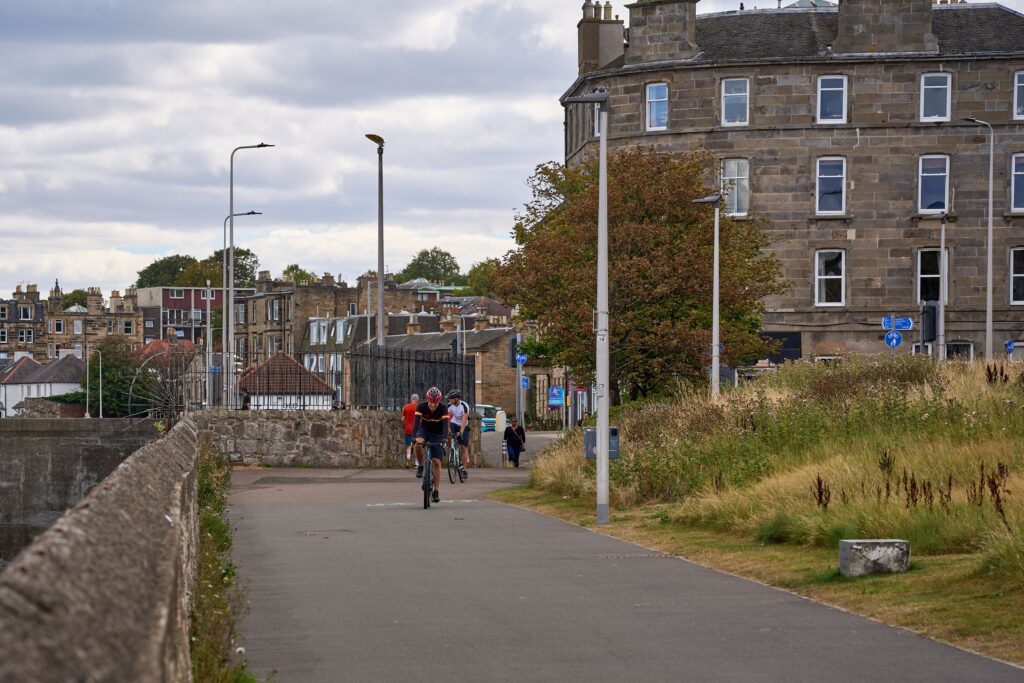
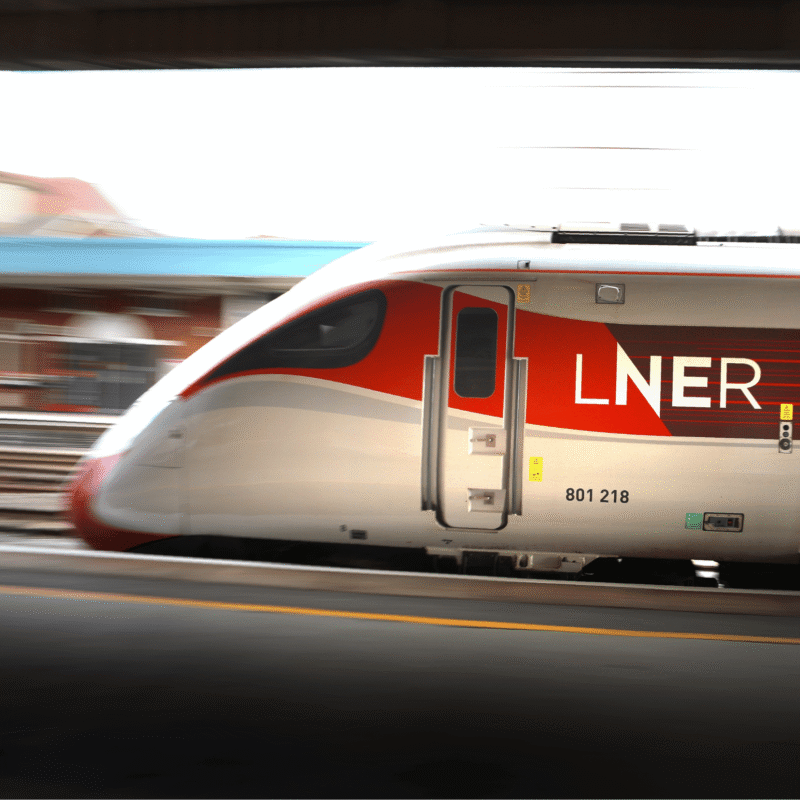
No single journey will transform Scotland’s relationship with oil. But taken together, shifts from private cars to buses, trains, walking, and cycling help to reduce transport’s dependence on fossil fuels. Together, they point towards a network relying less on volatile global energy markets and more resilient as global crises increase.
Rail freight is one clear opportunity. The Blackford rail freight terminal, opened for Highland Spring in 2022, shows how Scotland can move goods more efficiently by rail. This kind of infrastructure should not be treated as a niche example, but as a model for wider planning.
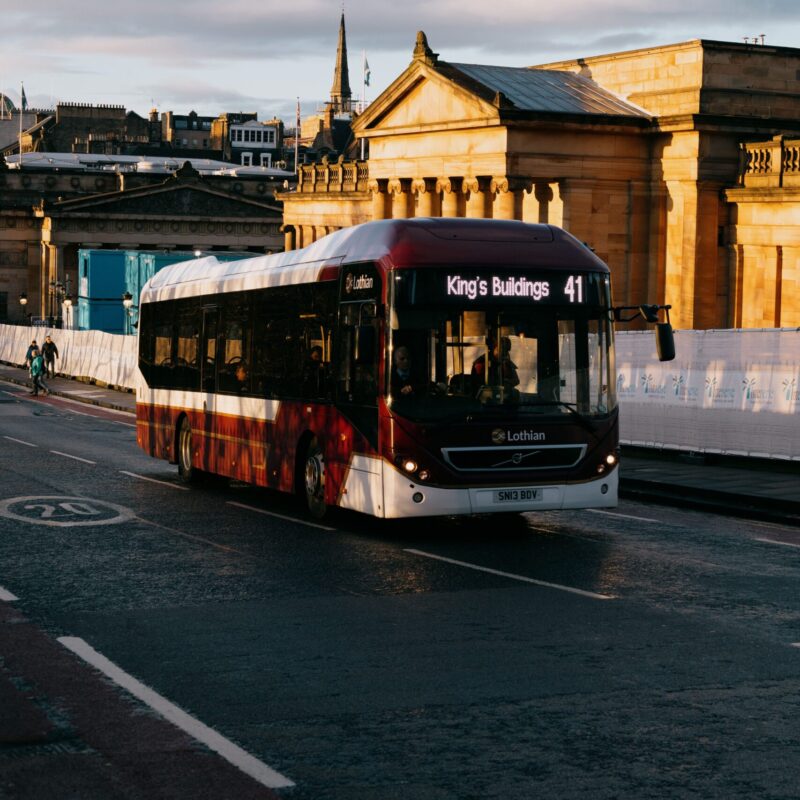
The same principle applies to buses, trams and light rail. Whether it is Clyde Metro in the west or SEStran’s plans for a more integrated public transport network across south-east Scotland, these projects are economic resilience infrastructure put into action. No bus or tram should be stuck in the same traffic that public transport is supposed to help reduce.
A lesson the UK failed to learn
There is a longer history to this situation. The 1973-74 oil crisis, also triggered by conflict in the Middle East, exposed the vulnerability of economies built around imported fossil fuels. Countries such as the Netherlands and Denmark accelerated investment in cycling, public transport and electrified rail networks, recognising that reducing dependence on oil was not only an environmental goal but an economic and security necessity.
The UK chose a different path. Unlike other countries with fewer energy resources, Britain discovered vast oil reserves beneath the North Sea just as the world was confronting oil dependence. Rather than prompting a fundamental rethink of transport, this new supply is igniting a transport model built solely around road transport needs and private cars. In effect, North Sea oil delays the reckoning that other European countries had already begun to implement.
More than fifty years later, the impact is returning. From former military leaders to trade unionists, there is growing recognition that energy security is better served by reducing demand, improving efficiency and accelerating the transition to domestically generated clean energy.
A lower-oil future cannot simply work for confident cyclists, city-centre commuters or people who already live near good services. It also has to work for rural communities, disabled passengers, shift workers, carers, families and people travelling across complex routes.
Scotland’s choice now
The Iran war has made one thing clear: oil dependency is not only a climate problem. It is an economic vulnerability, a security risk and a social justice issue for Scotland.
Both Scottish and UK Governments can continue treating each oil shock as a temporary emergency, responding with fuel duty cuts and short-term relief until prices fall again. Or decision-makers can treat repeated crises as evidence that the transport system itself needs to change.
That means reducing traffic demand, improving and funding public transport, particularly for rural areas, electrifying rail and bus fleets, moving more freight by rail, making walking and cycling safer, and ensuring support is targeted at those who need it most.
The lesson from the 2026 oil shock is not that Scotland needs cheaper petrol forever. Scotland needs a transport system where future global oil shocks will cause less damage to people’s lives.
Scotland cannot control conflict. But it can control how dependent it remains on oil.